Introduction
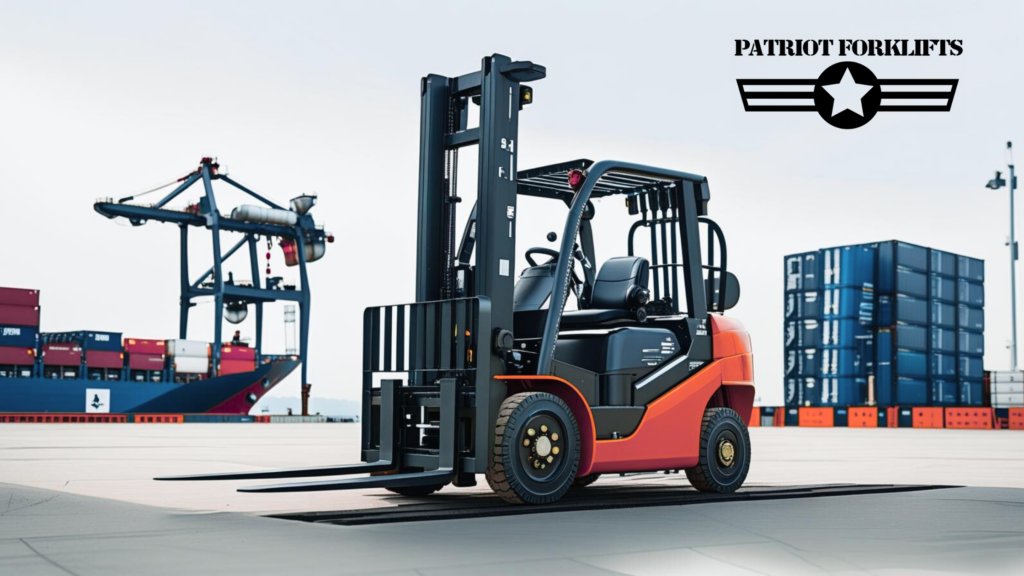
Ports and shipping yards represent some of the most demanding material handling environments. These facilities require equipment specifically designed to handle heavy loads, continuous operations, and harsh outdoor conditions. Equipment selection in these settings directly impacts operational efficiency, safety, and long-term costs.
Why Ports and Shipping Yards Require Specialized Forklift Solutions
Port operations differ fundamentally from standard warehouse environments. These facilities operate continuously outdoors, managing extremely heavy cargo and facing constant environmental exposure. Standard indoor forklifts cannot meet these demands.
Key challenges include:
- Load capacity requirements: Shipping yards regularly move loaded containers, steel coils, lumber, and bulk goods that exceed standard forklift capacity
- Continuous operation: Equipment runs multiple shifts daily, requiring reliability and durability
- Environmental exposure: Rain, snow, temperature fluctuations, and debris necessitate rugged construction
Common Forklift Applications in Ports and Shipping Yards
Port forklifts serve multiple specialized functions:
- Container handling and repositioning
- Bulk cargo and oversized shipment management
- Yard logistics and load staging
- Maintenance and support operations
Most efficient operations utilize mixed fleets, with each machine optimized for specific tasks.
Capacity Considerations
Rated capacity alone is insufficient for port planning. Operators frequently lift loads to greater heights or use attachments that reduce effective capacity and affect stability. High-capacity machines typically range from 15,000 to 50,000+ pounds and feature reinforced masts, heavier counterweights, and wider wheelbases.
Anticipating future growth prevents costly equipment upgrades, making capacity planning a strategic decision.
Power Source Options
Diesel forklifts excel in heavy-duty outdoor applications with consistent power and durability.
LPG and gas options balance power with lower emissions, suitable for mixed indoor-outdoor environments.
Looking for the right lift for your operation?
Patriot Forklifts dealers can walk you through every model in the lineup and spec the right machine for your application.
Electric forklifts now serve outdoor applications through improved battery technology, offering lower operating costs and zero emissions, though they remain primarily suited for specific applications.
Tire Selection
Pneumatic tires provide excellent traction on uneven surfaces and absorb shock effectively, remaining the standard for yard operations.
Solid pneumatic tires eliminate flat-tire risks while maintaining some shock absorption.
Cushion tires lack adequate outdoor durability and traction.
Tire compound selection balances wear resistance against traction requirements.
Mast Types and Lift Heights
Standard two-stage masts handle basic lifting, while three-stage masts achieve greater heights without increasing overall forklift dimensions. Free lift functionality allows fork elevation without mast extension, useful near overhead obstructions. Reinforced masts with load backrest extensions improve safety for container handling and oversized cargo.
Forklift Attachments
Specialized attachments significantly enhance efficiency:
- Fork positioners and side shifters adjust loads without repositioning equipment
- Container handling attachments grip and maneuver containers safely
- Custom solutions accommodate unique cargo requirements
Attachments must factor into capacity calculations affecting load center and stability.
Operator Comfort and Safety
Long shift requirements make ergonomic design essential. Modern equipment includes adjustable seating, enhanced visibility, climate control, and intuitive controls. Safety features such as stability systems, load sensors, and improved lighting reduce accidents in high-traffic yard environments.
Maintenance and Warranty Considerations
Harsh outdoor conditions accelerate equipment wear, making preventive maintenance critical. Accessible service points reduce maintenance time. Two-year warranty coverage provides early protection against unexpected repairs.
Local dealer partnerships ensure faster response times and better ongoing support.
Financing Options
High-capacity equipment represents significant investment. Flexible financing spreads costs over time while preserving working capital and accommodating growing operations.
Local Expertise Advantage
Regional dealers understand local climate conditions, seasonal variations, shipping patterns, and industry-specific challenges. This knowledge translates to better equipment recommendations and stronger ongoing support.
FAQ
What type of forklift works best for shipping yards?
High-capacity pneumatic-tire forklifts dominate due to durability, traction, and outdoor performance capabilities.
Can electric forklifts operate in ports?
Modern electric equipment suits certain outdoor applications, particularly where emissions and noise reduction matter.
How frequently should yard forklifts receive service?
Heavy-use environments demand more frequent inspections and scheduled maintenance to prevent downtime.
Do customization options exist for specialized cargo?
Yes, attachments and configurations enable safe, efficient handling of specialized loads.
Is financing accessible for high-capacity equipment?
Financing remains commonly available for managing costs during fleet upgrades.
Conclusion
Port and shipping yard success depends on selecting equipment matched to real operational demands. From capacity and power source through tires, attachments, and operator comfort, each decision affects overall performance. Working with knowledgeable local partners ensures investments align with actual requirements, supporting long-term efficiency and growth.