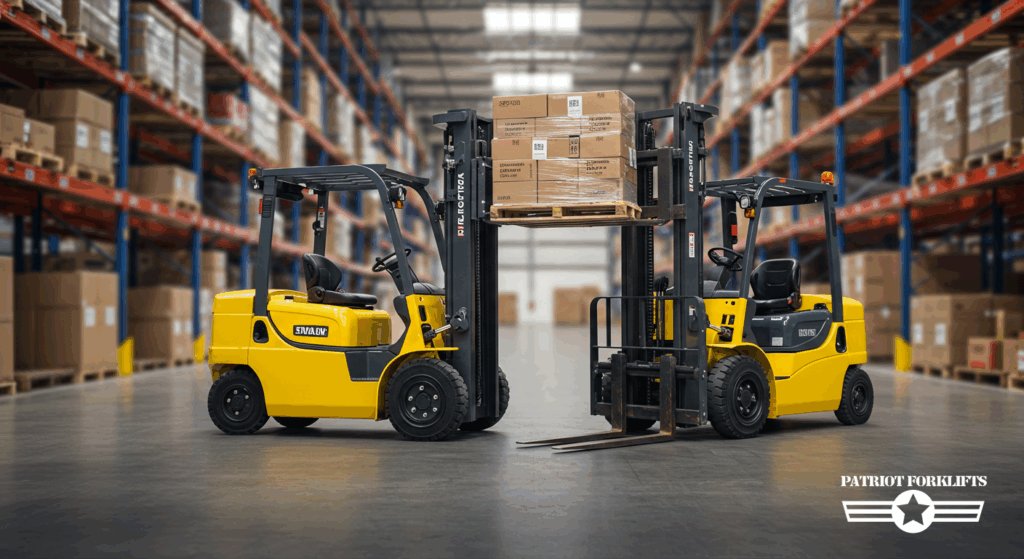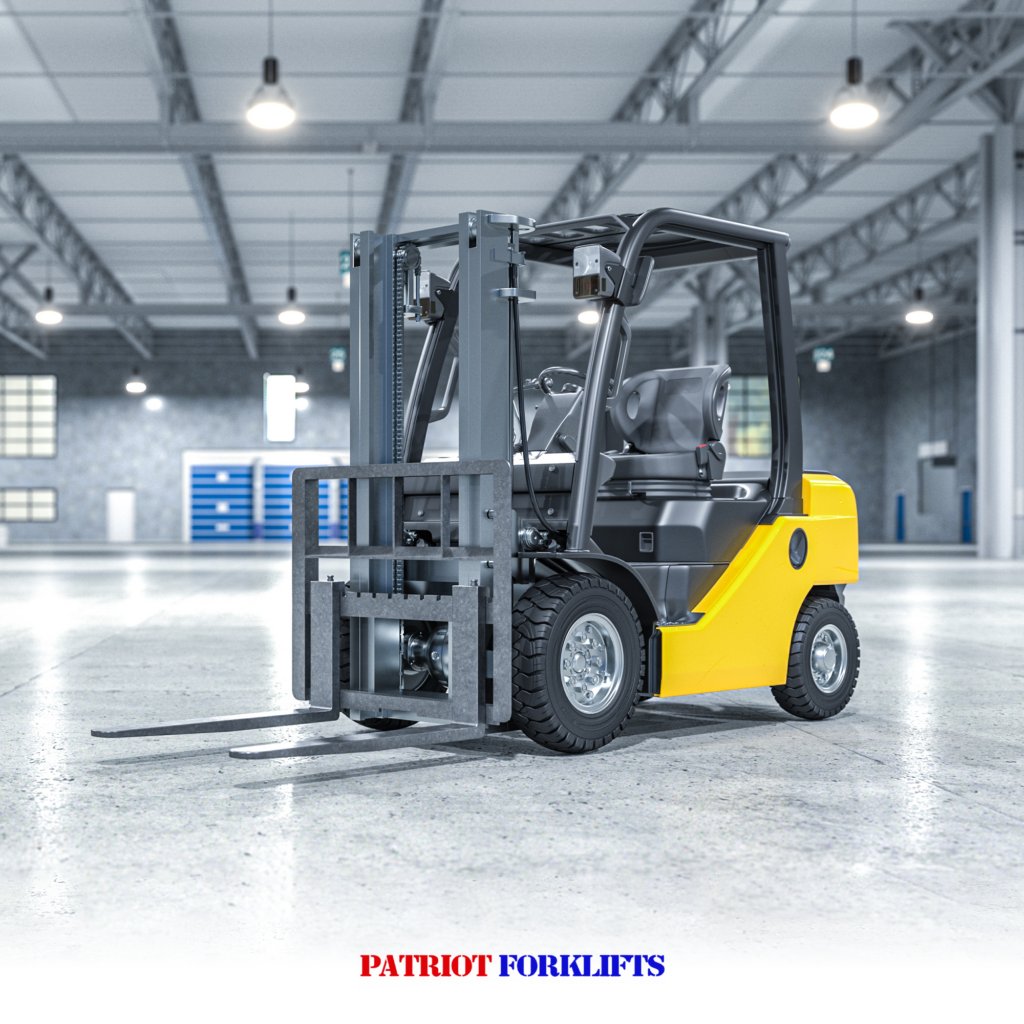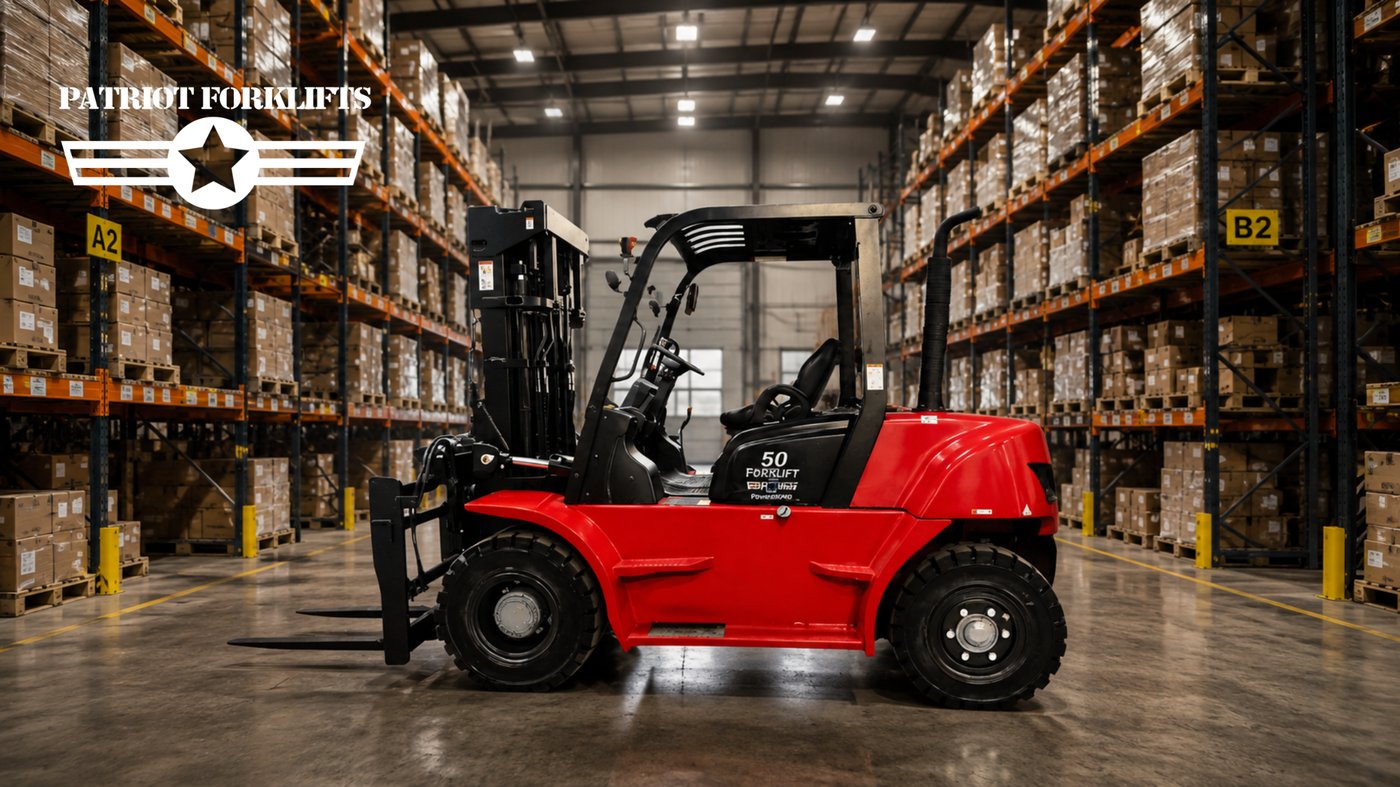
Sustainability is no longer just a buzzword in logistics and warehousing. Businesses across the country are under growing pressure to reduce emissions, improve energy efficiency, and create supply chains that are both environmentally responsible and operationally efficient. While conversations around sustainability often focus on transportation fleets or packaging materials, forklifts play a much larger role than many companies realize. In fact, the role of forklifts in sustainable supply chains has become one of the most important discussions in modern material handling.
From warehouses and manufacturing facilities to shipping yards and distribution centers, forklifts are involved in nearly every stage of product movement. They lift, transport, stack, and organize inventory around the clock. Because these machines operate daily and consume significant energy or fuel, the type of forklifts a business uses can directly impact overall sustainability goals.
Across Denver, Colorado and surrounding logistics hubs, businesses are looking for smarter ways to improve efficiency while reducing environmental impact. Companies working with Patriot Forklifts are increasingly exploring electric forklifts, lithium-ion battery technology, fleet optimization strategies, and energy-efficient equipment to support greener operations without sacrificing productivity.
Sustainable supply chains are not built through one major change alone. They are created through a series of smarter operational decisions, and forklift management is one of the most influential pieces of that puzzle. Understanding how forklifts contribute to sustainability can help businesses reduce waste, lower costs, improve safety, and stay competitive in an evolving market.
What Makes a Supply Chain Sustainable?
A sustainable supply chain focuses on minimizing environmental impact while maintaining operational efficiency and long-term profitability. This includes reducing emissions, lowering energy consumption, minimizing waste, and improving resource management across every stage of operations.
For warehouses and distribution centers, sustainability often involves improving transportation efficiency, using cleaner equipment, reducing fuel dependency, and optimizing workflows to avoid unnecessary energy use.
Forklifts may seem like a small part of the overall supply chain, but they operate continuously in many facilities. A single forklift running inefficiently can consume excessive energy, require frequent maintenance, and create avoidable emissions over time.
When businesses operate large fleets, the cumulative environmental impact becomes significant. This is why many companies in Denver and nearby industrial areas are reevaluating their material handling strategies and investing in equipment designed for long-term sustainability.
The Shift Toward Electric Forklifts
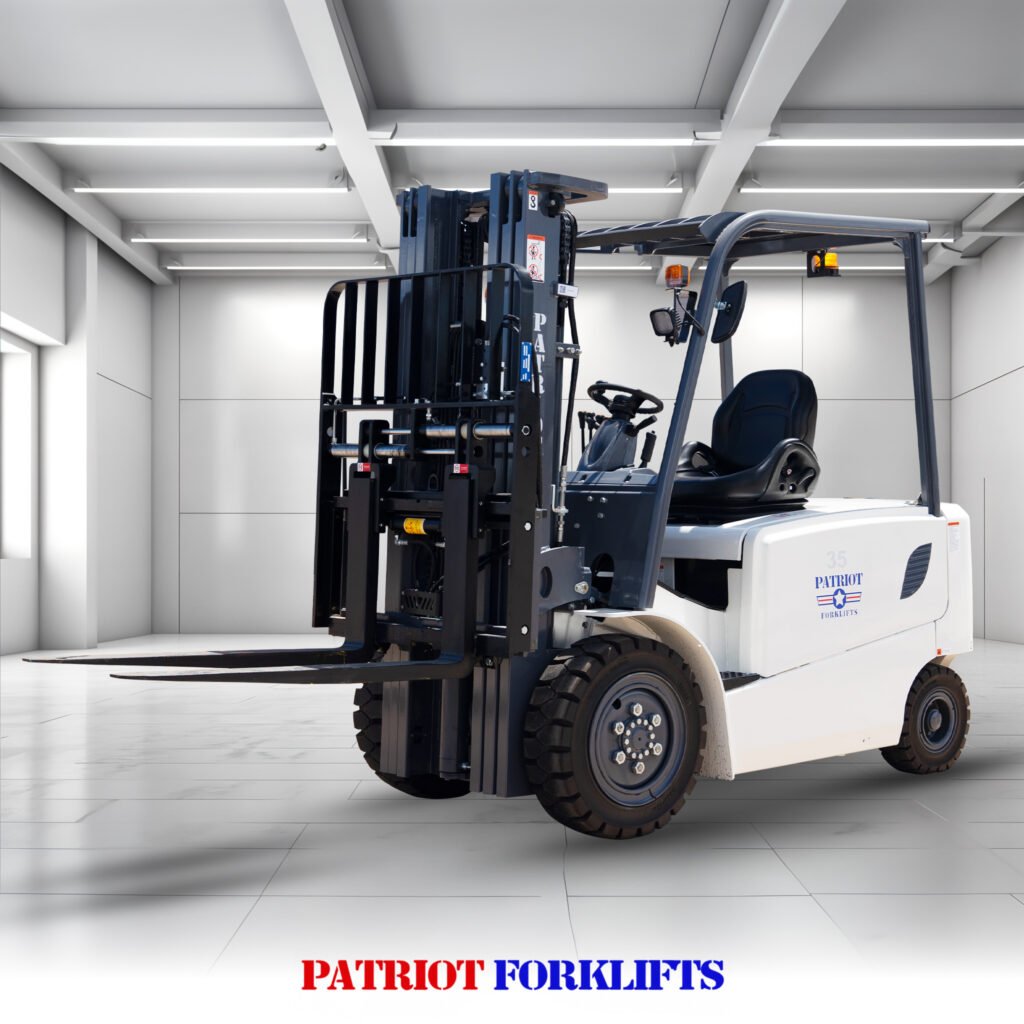
One of the biggest changes in sustainable material handling has been the transition from internal combustion forklifts to electric forklifts.
Traditional gas, diesel, and LPG forklifts remain valuable for many heavy-duty outdoor applications, but electric forklifts have rapidly improved in performance and durability. Modern electric models can now handle demanding warehouse operations while producing zero direct emissions.
This shift offers several sustainability advantages.
Electric forklifts reduce greenhouse gas emissions by eliminating fuel combustion during operation. They also create less noise pollution, making warehouses safer and more comfortable for workers.
In cities like Denver, where businesses are increasingly focused on environmental initiatives and operational efficiency, electric forklifts are becoming a preferred choice for indoor operations and many mixed-use facilities.
Another major benefit is energy efficiency. Electric forklifts convert a larger percentage of energy into usable power compared to combustion engines, reducing overall energy waste.
Lithium-Ion Batteries and Sustainable Operations
Battery technology plays a major role in forklift sustainability. In recent years, lithium-ion batteries have transformed the material handling industry.
Compared to traditional lead-acid batteries, lithium-ion systems offer:
- Faster charging times
- Longer battery lifespan
- Lower maintenance requirements
- Improved energy efficiency
- Reduced downtime
Lead-acid batteries require watering, equalization, and dedicated charging areas with ventilation systems. They also lose performance as the battery drains.
Lithium-ion batteries, on the other hand, maintain consistent performance throughout the charge cycle and can often be opportunity charged during breaks.
This improves operational efficiency while reducing energy waste and maintenance labor.
From a sustainability perspective, lithium-ion batteries also reduce resource consumption because they last significantly longer than lead-acid alternatives. Fewer battery replacements mean less manufacturing demand and less waste over time.
For businesses aiming to build greener operations in Colorado, lithium-ion technology has become one of the most impactful upgrades available.
Reducing Fuel Consumption Through Fleet Optimization
Sustainability is not only about switching to electric forklifts. It's also about using fleets more efficiently.
Many businesses operate more forklifts than they actually need. Others use equipment that is too large or too powerful for specific applications. These inefficiencies increase fuel consumption, energy use, and operating costs.
Fleet optimization involves analyzing workflow patterns, load requirements, and operating schedules to ensure that every forklift is being used effectively.
Modern telematics systems allow businesses to track:
- Equipment utilization
- Idle time
- Energy consumption
- Operator behavior
- Maintenance trends
By studying this data, companies can identify underused equipment, reduce unnecessary idling, and improve operational flow.
For example, reducing idle time alone can significantly decrease fuel consumption and extend equipment lifespan.
At Patriot Forklifts, businesses receive guidance on selecting the right equipment configurations for their actual operational needs, helping create more efficient and sustainable fleets.
Looking to green up your fleet?
Patriot Forklifts dealers can help you compare electric, lithium-ion, and dual-fuel options for your operation.
The Environmental Benefits of Proper Forklift Maintenance
Sustainability is closely tied to maintenance practices. Poorly maintained forklifts consume more energy, produce higher emissions, and require more frequent repairs.
Simple issues such as low tire pressure, dirty air filters, hydraulic leaks, or worn components can reduce efficiency and increase environmental impact.
Routine maintenance ensures forklifts operate at peak performance while minimizing unnecessary energy use.
Preventive maintenance also extends the lifespan of equipment, reducing the need for premature replacements. Manufacturing new forklifts requires significant raw materials and energy, so extending the life of existing equipment contributes to sustainability goals.
Businesses that prioritize maintenance often experience:
- Lower fuel or energy consumption
- Reduced repair costs
- Fewer breakdowns
- Longer equipment lifespan
- Improved operational reliability
These benefits support both environmental responsibility and long-term profitability.
Forklift Ergonomics and Workforce Sustainability
Sustainable operations are not just about environmental impact. Workforce sustainability matters too.
Forklift operators play a critical role in supply chain efficiency, and ergonomic equipment helps support their long-term health and productivity.
Modern forklifts are designed with features such as:
- Adjustable seating
- Reduced vibration systems
- Improved visibility
- Intuitive controls
- Climate-controlled cabs
These features reduce operator fatigue and help prevent repetitive strain injuries.
A healthier workforce contributes to lower turnover, fewer injuries, and better productivity over time.
For businesses managing demanding warehouse operations in Denver, ergonomic forklift design supports both employee well-being and operational consistency.
Warehouse Layout and Sustainable Material Handling
Forklift sustainability is also influenced by warehouse design and workflow efficiency.
Poor warehouse layouts force forklifts to travel longer distances, make unnecessary turns, and spend more time idling. This increases fuel or energy consumption while slowing productivity.
Optimized layouts reduce travel time and improve traffic flow.
Some common strategies include:
- Wider aisles for smoother movement
- Strategic inventory placement
- Dedicated pedestrian zones
- Efficient loading and unloading areas
- Organized staging zones
When forklifts operate more efficiently, businesses reduce both operational costs and environmental impact.
Sustainable supply chains rely heavily on smart workflow design, not just equipment upgrades.
The Role of Telematics in Sustainable Forklift Management
Telematics systems have become one of the most valuable tools for sustainable fleet management.
These systems collect real-time data from forklifts and provide insights into performance, maintenance needs, and energy usage.
Businesses can monitor:
- Equipment usage patterns
- Idle time
- Battery performance
- Maintenance schedules
- Operator efficiency
This data allows managers to make informed decisions that reduce waste and improve efficiency.
For example, telematics can identify forklifts that spend excessive time idling or detect inefficient driving habits that increase energy consumption.
By improving accountability and visibility, telematics systems help businesses build smarter and more sustainable operations.
Sustainable Forklift Tires and Energy Efficiency
Tires are often overlooked in sustainability discussions, but they significantly impact forklift efficiency.
Worn or improperly inflated tires increase rolling resistance, forcing forklifts to consume more energy.
Choosing the right tire type also matters. Cushion tires work well indoors on smooth surfaces, while pneumatic tires are better suited for rough outdoor environments.
Proper tire maintenance helps improve traction, reduce wear, and lower energy consumption.
Over time, these small improvements contribute to significant cost and energy savings across large fleets.
Indoor Air Quality and Cleaner Forklift Operations
Indoor air quality is a growing concern in warehouses and distribution centers. Internal combustion forklifts can produce emissions that affect worker health and require additional ventilation systems.
Electric forklifts eliminate direct exhaust emissions, creating cleaner indoor environments.
Improved air quality supports employee health while reducing the need for excessive ventilation and cooling systems, which also lowers energy usage.
This is one reason many businesses in Denver are transitioning to electric forklifts for indoor applications.
Cleaner operations support both environmental goals and workplace safety initiatives.
Sustainability and Forklift Financing
Some businesses hesitate to upgrade equipment because of upfront costs, but financing options make sustainable transitions more achievable.
Financing allows companies to spread costs over time while immediately benefiting from improved efficiency and lower operating expenses.
Modern forklifts often reduce fuel costs, maintenance expenses, and downtime, offsetting much of the investment over the long term.
Financing also allows businesses to adopt newer technologies more quickly instead of delaying upgrades and continuing to operate inefficient equipment.
At Patriot Forklifts, businesses can explore financing solutions that support both operational growth and sustainability goals.
Custom Forklift Solutions for Sustainable Operations
No two supply chains are exactly alike. Sustainable forklift strategies should be customized based on operational needs, facility size, load requirements, and industry demands.
Some businesses may benefit most from electric forklifts, while others still require internal combustion models for outdoor heavy-duty work.
The key is selecting equipment that aligns with actual usage conditions instead of relying on generic solutions.
Customization options such as specialized attachments, optimized mast configurations, and advanced battery systems help businesses maximize efficiency while minimizing waste.
Working with experienced forklift professionals ensures that sustainability initiatives are practical, effective, and cost-efficient.
How Sustainable Forklift Practices Improve Brand Reputation
Consumers and business partners are paying closer attention to sustainability than ever before.
Companies that demonstrate environmental responsibility often gain competitive advantages, especially when working with clients that prioritize ESG initiatives and sustainable sourcing.
Investing in cleaner forklift technology and efficient operations helps businesses strengthen their reputation and align with industry expectations.
Sustainability is no longer just an internal operational goal. It has become part of how businesses market themselves and build trust with customers.
The Future of Sustainable Forklift Technology
The forklift industry continues to evolve rapidly, with manufacturers developing new technologies focused on efficiency and sustainability.
Future trends include:
- Advanced lithium-ion battery systems
- Hydrogen fuel cell forklifts
- Autonomous forklifts
- AI-powered fleet management
- Enhanced telematics integration
These innovations will continue helping businesses reduce emissions, improve productivity, and lower operating costs.
Companies that adopt sustainable technologies early are often better positioned to remain competitive as regulations and customer expectations evolve.
FAQ About Forklifts in Sustainable Supply Chains
Are electric forklifts more sustainable than gas forklifts?
Yes. Electric forklifts produce zero direct emissions during operation and are generally more energy-efficient than internal combustion models.
How do lithium-ion batteries support sustainability?
Lithium-ion batteries last longer, charge faster, and require less maintenance, reducing waste and energy consumption over time.
Can sustainable forklift practices reduce operating costs?
Absolutely. Improved efficiency, lower fuel use, and reduced maintenance often lead to significant long-term savings.
What role does maintenance play in forklift sustainability?
Proper maintenance improves efficiency, extends equipment lifespan, and reduces unnecessary energy use and waste.
Is financing available for sustainable forklift upgrades?
Yes. Financing options make it easier for businesses to upgrade to newer, more efficient forklift technology.
Why Businesses in Denver Trust Patriot Forklifts
Businesses across Denver, Colorado and surrounding areas rely on Patriot Forklifts for more than just equipment sales. They turn to experienced professionals who understand the challenges of modern material handling and sustainable operations.
From helping companies choose between electric and internal combustion forklifts to recommending battery systems and fleet optimization strategies, Patriot Forklifts provides customized solutions designed to improve both productivity and sustainability.
With expert guidance, flexible financing options, and dependable support, businesses can confidently invest in equipment that supports long-term operational success.
Summary and Local Call to Action
The role of forklifts in sustainable supply chains is larger than ever before. From electric forklifts and lithium-ion batteries to telematics systems and optimized warehouse layouts, every aspect of material handling contributes to operational efficiency and environmental responsibility.
Sustainability is not about sacrificing productivity. In many cases, sustainable forklift practices actually improve performance, reduce downtime, and lower operating costs.
For businesses in Denver, Colorado and nearby areas, investing in smarter forklift solutions is an important step toward building a more efficient and future-ready supply chain.
If you're ready to improve fleet efficiency and support your sustainability goals, connect with Patriot Forklifts in Denver, Colorado today.